PMG provides decontamination support services from the initial assessment of the level and distribution of mercury contamination to the final verification and confirmation that the decontamination goal (the residual mercury limit) has been achieved.

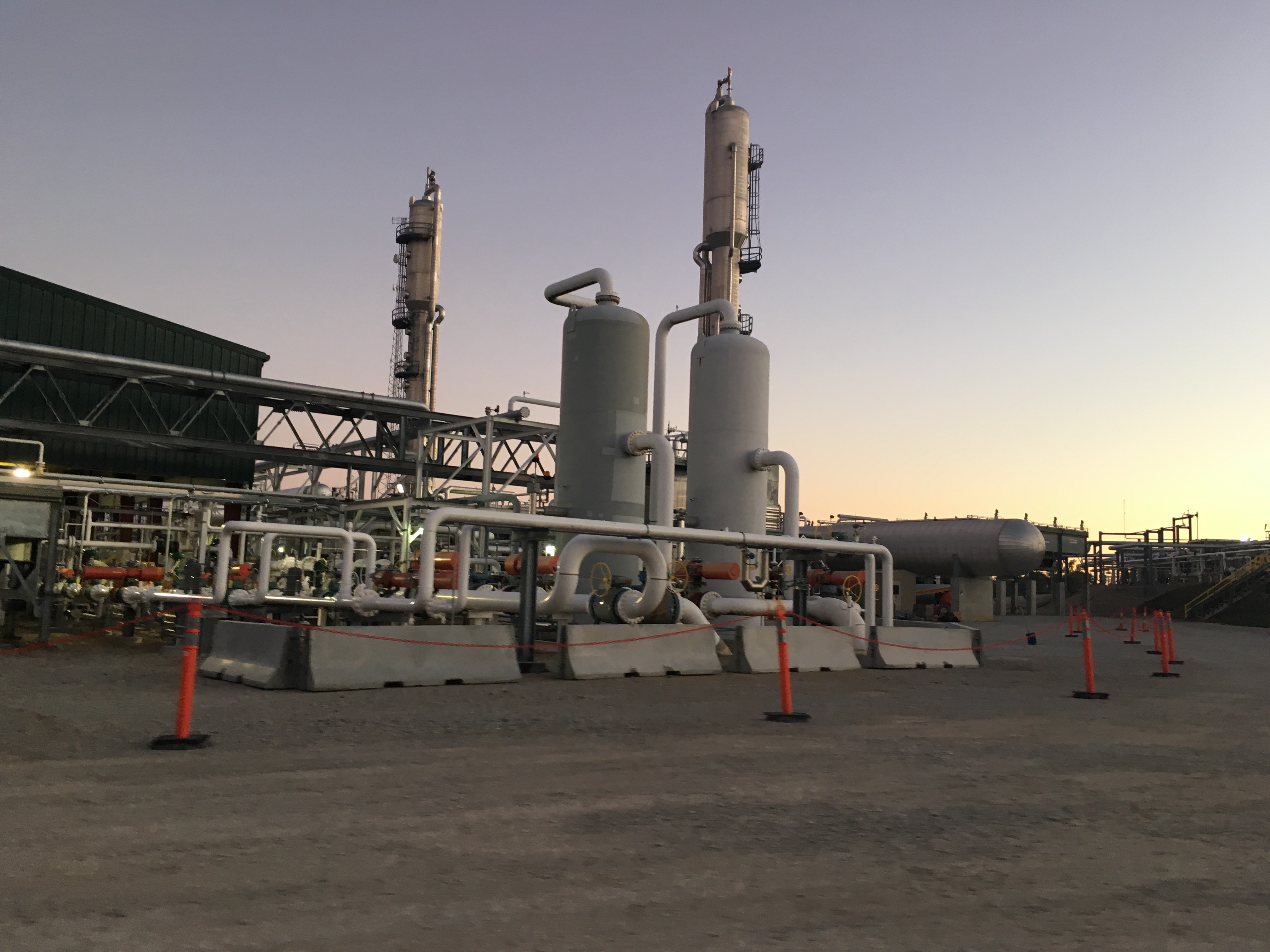
PMG provides decontamination support services from the initial assessment of the level and distribution of mercury contamination to the final verification and confirmation that the decontamination goal (the residual mercury limit) has been achieved.
From the perspective of decontamination, mercury support includes the following:
Numerous mercury removal treatment options are available in oil and gas processing, but few have a verification method to ensure they meet performance specifications. PMG uses internationally accepted sampling and analysis methods to confirm mercury removal from process fluids, which is crucial for obtaining reliable, high-quality data. These data serve to validate compliance, guide decisions on media changeout, and provide assurance that the treatment is effective.
When dealing with mercury contamination during maintenance or decontamination activities, managing waste can result in a significant expense. PMG has extensive knowledge and experience in dealing with all types of mercury-contaminated waste, including sludges, PPE, and decommissioned steel. By employing strategies for mitigation, minimization, and management, PMG can significantly reduce associated costs.
Process wetted surfaces accumulate mercury over time. This mercury can be volatized during hot work, thus causing occupational exposure risks. PMG has developed “dry” (no chemicals) decontamination capabilities for decontamination of sensitive equipment (i.e., aluminum heat exchangers) as well as decontamination of straight pipe runs. When chemistry is required, it is important to agree on clear goals and objectives. PMG provides 3rd party chemical efficacy performance evaluation for chemical cleaning providers.
When conducting mercury decontamination, it is crucial to confirm that mercury has been removed to the target levels. Several verification methods are available, depending on the specific equipment being decontaminated and the decontamination goals. These methods include, but are not limited to, vapor monitoring, surface mercury measurement, chemical solution mercury content analysis, and nitrogen purge analysis. PMG can execute these verification methods and provide guidance on the best approach based on decontamination objectives.