PMG specializes in the safe decommissioning of mercury-contaminated process equipment and piping. Whether for regulatory compliance or to protect personnel during repairs, our advanced decontamination technologies ensure effective management of mercury risks. We help facilities meet stringent policies while minimizing occupational exposure and ensuring operational safety. Further, PMG provides 3rd party oversight for chemical cleaning efficacy studies to assess mercury decontamination removal efficiency.

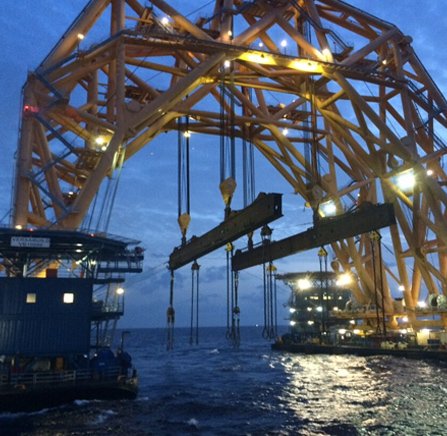
A critical first step when planning the retirement of mercury impacted oil and gas assets is the development and implementation of a Mercury Management Study. A well planned and executed study of this kind provides the basis for the development of a facility specific mercury decontamination plan.
The study includes:
On this basis, applicable cost-effective decontamination methods that are in alignment with the compliance strategy and capable of achieving the acceptance criteria are identified and evaluated.
The following components serve as the basis of a PMG Decommissioning Mercury Management Study:
Typical PMG Decommissioning Mercury Management Study Components